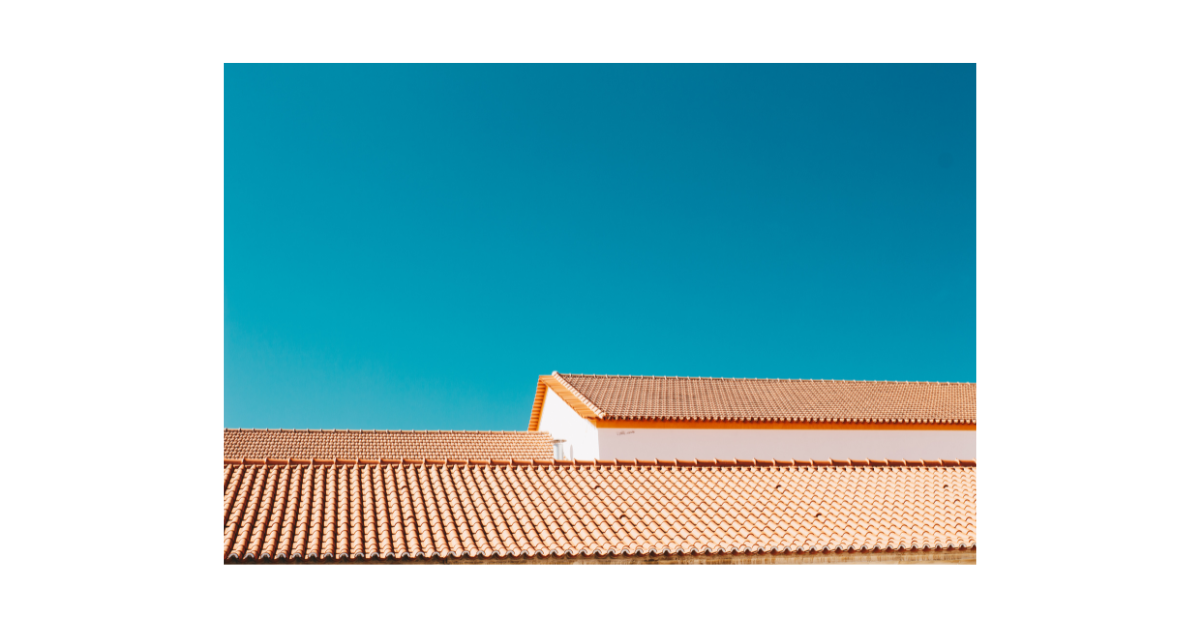
High-Quality Roofing Service for Long-Term Structural Protection
Property owners often underestimate how critical a reliable roofing service is for the long-term health, safety, and aesthetic value of a building. A roof is more than a structural cover; it shields interiors from moisture damage, insulates against temperature fluctuations, and contributes to the overall energy performance of a property. Choosing a professional roofing service ensures that materials, craftsmanship, and installation practices align to deliver long-lasting protection. In the first hundred words and throughout this guide, the focus remains on how a quality roofing service supports both residential and commercial needs without compromising durability, safety, or compliance with local building regulations.
The Importance of Roofing in Modern Construction
In modern construction, the roof plays a pivotal role beyond simple shelter. It influences various performance metrics including insulation efficiency, acoustic control, and ventilation. Roofing must be chosen and installed based on climate patterns, property design, and material lifespan. Residential roofs often prioritize visual appeal and budget-friendly longevity, while commercial roofs emphasize load-bearing strength and compliance. With a professionally executed roofing service, property owners enjoy effective weatherproofing, reduced maintenance frequency, and minimized risk of costly structural issues. Poor workmanship, on the other hand, leads to recurring leaks, mold growth, insulation failure, and reduced resale value.
Factors That Determine Roof Performance and Durability
Several factors determine roof performance, and understanding them enables owners to make informed decisions. Material type is the first consideration, as asphalt shingles, metal panels, clay tiles, and synthetic roofing systems all vary in lifespan, weight, and maintenance needs. Structural slope also determines how efficiently water drains from the roof. Ventilation is another factor because trapped moisture or heat beneath roofing layers shortens material longevity. Flashing, sealants, underlayment selection, and fixings further influence how well a roof withstands wind uplift, storm damage, and seasonal wear. A professional roofing service evaluates all these dimensions before starting work.
Material Selection and Climate Compatibility
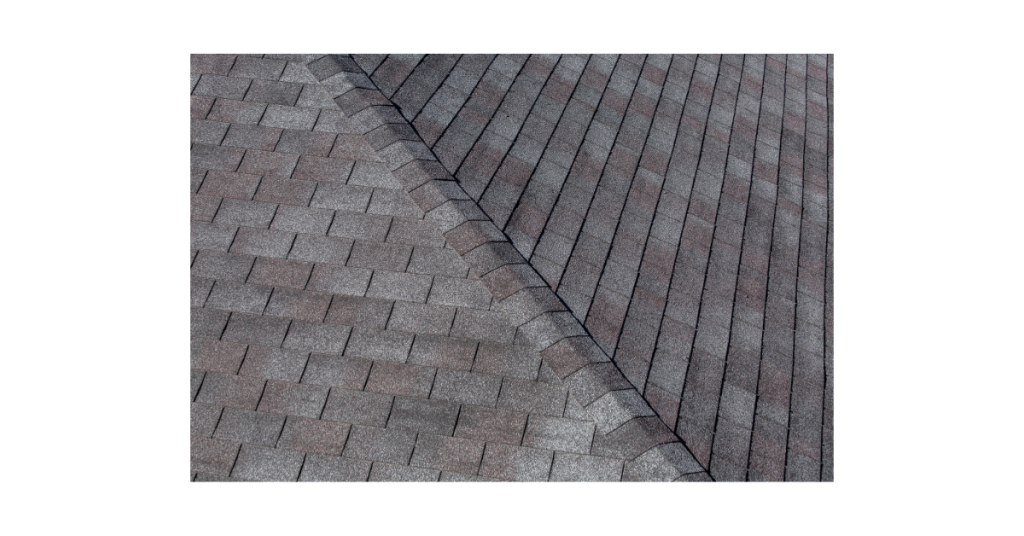
Matching materials to climate is essential. Asphalt shingles work well in moderate climates but may degrade under intense UV exposure. Metal roofing systems offer superior longevity and withstand snow loads effectively, making them ideal for regions with harsh winters. Clay and concrete tiles perform in coastal or hot environments due to their thermal mass and salt resistance. Synthetic polymer roofing incorporates durability and low maintenance for diverse climates. Choosing the right material for the property location avoids premature replacements and performance issues. Skilled roofing service providers assess climate, property architecture, and budget before recommending suitable products.
The Role of Underlayment and Waterproof Barriers
Beneath the visible roof covering lies a system of protective layers that prevent moisture infiltration. Underlayment materials include synthetic membranes, felt papers, and ice-water barriers, which serve as the roof’s final defense against rain intrusion. In snowy regions, ice dams can force water beneath exterior materials, so high-performance underlayment becomes essential. Additionally, flashing installed around chimneys, valleys, skylights, and vents ensures watertight transitions between roof sections. A roofing service that pays attention to these hidden components safeguards the entire structure and slows material degradation caused by moisture.
Residential Roofing Service Explained
Residential roofing focuses on balancing durability, affordability, local aesthetics, and ease of maintenance. Homeowners frequently choose asphalt shingles for cost efficiency and reasonable lifespan, though metal and tile systems offer longer protection with higher initial investment. A competent roofing service analyzes existing structural decks, removes worn coverings, inspects for damage, repairs decking, installs waterproof layers, and finally completes the visible roof system. Post-installation inspections ensure ridge caps, vents, and eave protection are secure. Homeowners who invest in quality residential roofing enjoy improved comfort, reduced utility bills due to better insulation, and higher market valuation of their property.
Common Residential Roofing Issues and Preventive Measures
Residential roofing faces several common issues that can be prevented through timely maintenance. These include shingle curling caused by heat, granule loss due to wind erosion, and flashing cracks from seasonal expansion. Clogged gutters cause water pooling that accelerates fascia and soffit deterioration. Moss and lichen growth weaken surface coatings and trap moisture. Preventive measures include regular inspections, roof cleaning, gutter clearing, attic ventilation checks, and minor repairs before small defects escalate. Having a professional roofing service perform annual assessments allows homeowners to catch issues early, avoid leaks, and extend material lifespan by several years.
Commercial Roofing Service and Structural Demands
Commercial roofing systems differ significantly from residential systems because they often incorporate flat or low-slope designs. These surfaces require waterproof membranes capable of handling standing water, heavier loads, and larger square footage. Popular commercial roofing materials include EPDM rubber membranes, PVC thermoplastics, TPO heat-welded systems, and built-up roofing (BUR). A qualified roofing service evaluates roof accessibility, drainage design, HVAC equipment placement, and fire safety compliance. Proper installation ensures that seams are sealed, drainage systems are unobstructed, and substrates can handle long-term mechanical stress. Commercial roof investment yields reduced insurance claims, safer work environments, and improved energy management.
Energy Efficiency and Sustainability in Roofing
Increasingly, property owners seek energy-efficient roofing systems that lower operational costs. Cool roofs with reflective coatings reduce heat absorption and lower cooling expenses in warm climates. Green roofs add vegetation layers that provide insulation, filter stormwater, and contribute to biodiversity in urban areas. Solar-integrated roofing merges photovoltaic technology with weatherproof shingles or tiles. Insulation upgrades beneath roofing also improve energy regulation. By integrating modern sustainable methods, a roofing service enhances property performance while supporting environmental goals.
Project Workflow of a Professional Roofing Service
Executing a roofing project involves structured steps that minimize risk and ensure consistent results. The workflow typically includes initial assessment, cost estimation, scheduling, removal of old materials, structural repairs, installation of ventilation and waterproofing layers, material installation, sealing, finishing, and final inspection. Transparent communication during all phases builds trust and prevents misunderstandings. Advanced providers utilize moisture scanners, infrared inspection tools, and safety systems to guarantee accuracy and worker protection. Certification and insurance coverage further demonstrate accountability and professionalism. Customers benefit from predictable timelines, documented quality standards, and reduced disruption during construction.
Safety Protocols and Regulatory Compliance
Roofing is inherently hazardous due to heights, sharp tools, and heavy materials. Responsible roofing service providers follow strict safety protocols such as harness usage, guardrail placement, and weather condition checks. Compliance with local building codes ensures that installations meet wind uplift ratings, fire classifications, and drainage requirements. In commercial districts, additional structural and occupancy certifications may be necessary. Training and certification programs from industry bodies help standardize safety and workmanship quality, giving property owners confidence in the service provider’s skills and credibility.
Cost Structure and Value Considerations for Roofing Projects
Understanding the economics of roofing helps property owners plan effectively. Factors influencing cost include material type, roof pitch, square footage, existing damage, tear-off requirements, and accessibility challenges. While budget options may seem appealing, long-term cost efficiency often favors durable materials and quality installation. Cheaper materials degrade faster, leading to frequent repairs and higher total expenditure across the roof’s lifecycle. Investing in a reliable roofing service reduces structural risks, insurance claims, and emergency repair costs. Warranties and service guarantees also add value, ensuring that parts and labor are covered for a defined period.
Comparing Roofing Material Lifespans
Below is an approximate comparison of typical roofing material lifespans when properly installed and maintained:
| Roofing Material | Expected Lifespan |
|---|---|
| Asphalt Shingles | 15 to 25 years |
| Metal Roofing | 40 to 70 years |
| Clay or Concrete Tiles | 50 to 100 years |
| Synthetic Polymer Roofing | 30 to 50 years |
| EPDM Rubber Membrane | 20 to 30 years |
| PVC and TPO Systems | 20 to 35 years |
These durations vary with climate, installation quality, and maintenance frequency. Partnering with an experienced roofing service provider ensures materials perform at the upper end of their lifespan range, maximizing return on investment.
How to Choose the Right Roofing Service Provider
Selecting the right provider significantly influences project success. Customers should evaluate experience level, certifications, portfolio diversity, warranty offerings, and insurance coverage. Reading verified reviews and requesting references helps validate track records. Property owners should also confirm that providers understand local conditions and building regulations. A reputable provider offers clear quotations, communicates timelines, explains material options, and avoids high-pressure sales tactics. Strong customer service indicates reliability throughout the installation and post-installation phases.
To explore professional solutions designed for a variety of property types, homeowners and businesses frequently consider working with a trusted Roofing service that combines skilled craftsmanship with quality-tested materials to deliver long-lasting roof performance.
Maintenance Strategies for Long-Life Roofing
Ongoing maintenance is essential for maximizing roof lifespan. Strategies include scheduled inspections twice per year, storm checks after severe weather, clearing gutters and downspouts, removing debris, trimming overhanging branches, and monitoring attic ventilation. Detecting leaks early prevents structural rot, mold infiltration, and ceiling damage. Sealing minor cracks or replacing worn shingles promptly preserves watertight integrity. A reliable roofing service can provide tailored maintenance plans that match material types, climate conditions, and building usage patterns. Long-term maintenance also improves energy efficiency, indoor comfort, and property aesthetics while reducing costly emergency interventions.
Final Thoughts on Roofing Investment and Property Value
A quality roofing system is both a functional necessity and a strategic investment. It protects occupants, safeguards interior finishes, supports insulation, enhances curb appeal, and affects resale potential. Buyers often scrutinize roof condition when evaluating homes or commercial buildings, making roofing upgrades one of the most valuable property improvements. With proper material selection, skilled installation, and periodic upkeep, a professionally serviced roof delivers decades of reliable performance. Property owners who choose an experienced Roofing service gain peace of mind knowing their investment is supported by technical expertise, safety compliance, and commitment to lasting workmanship.
This comprehensive overview illustrates how roofing influences structural performance, energy efficiency, safety standards, and long-term property value. With professional planning and execution, roofing becomes a durable asset rather than a maintenance burden, serving property owners reliably across diverse environments and usage demands.