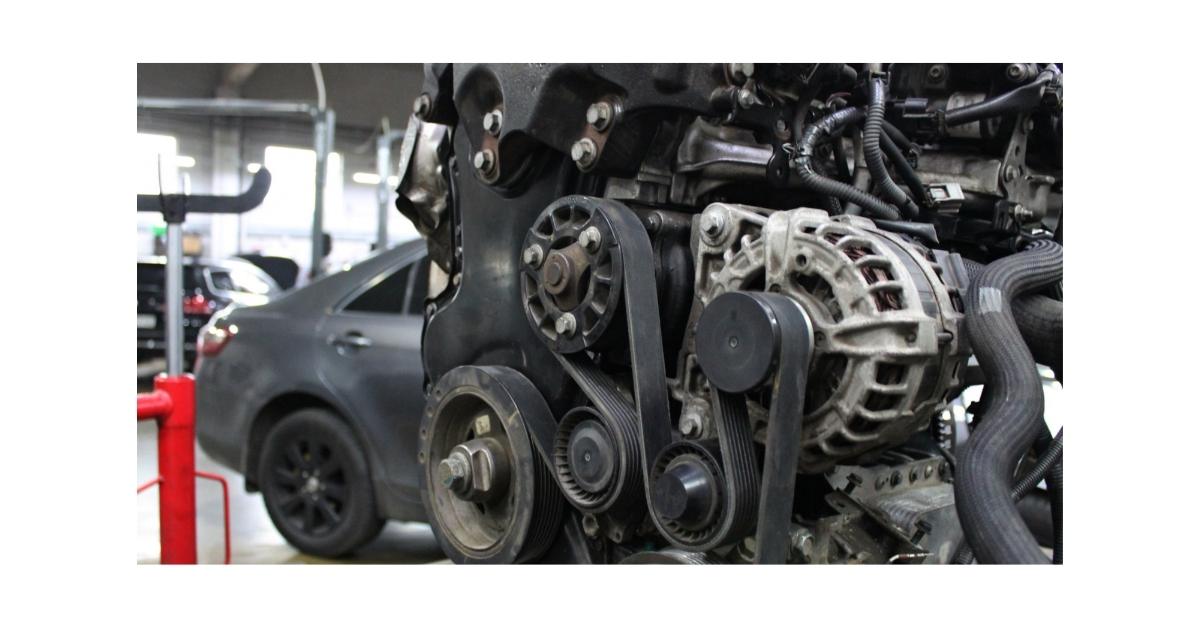
Understanding When a DIY Fix Makes Sense for Exhaust Issues
Exhaust systems are exposed to constant heat, vibration, and moisture, which makes minor failures inevitable over time. Many vehicle owners assume every exhaust issue requires professional repair, but that is not always the case. A DIY fix can be practical and effective when problems are small, accessible, and clearly identifiable. Knowing when a repair is suitable for home handling saves money and reduces downtime without compromising safety.
However, understanding limitations is just as important as confidence. Structural damage, severe corrosion, or emission-critical failures often require professional tools and expertise. Learning which exhaust issues are manageable at home empowers owners to act responsibly and avoid unnecessary risks while maintaining system reliability.
Basic Exhaust Problems Suitable for DIY Repair
Not all exhaust issues demand complex solutions. Loose hangers, minor leaks, rattling heat shields, and surface rust are common problems that can often be addressed with simple tools. These issues typically do not involve internal engine management or emission control components, making them ideal candidates for home repair.
Identifying the problem correctly is the first step. Listening for unusual noises, inspecting visible sections, and checking for loose hardware helps narrow down the cause. When symptoms are isolated and mild, a targeted DIY fix can restore proper function quickly and effectively.
Tools Commonly Needed for Exhaust DIY Work
Exhaust repairs do not require a fully equipped workshop, but basic tools are essential. Jack stands, a socket set, penetrating oil, clamps, and safety gloves cover most minor repairs. Eye protection is critical, as rust and debris often fall during under-vehicle work.
Having the right tools improves safety and repair quality. Attempting repairs with inadequate equipment increases the risk of injury or improper installation. Preparing tools beforehand ensures that repairs proceed smoothly without unnecessary interruptions.
Fixing Loose or Broken Exhaust Hangers
Exhaust hangers support the system and isolate vibration. Over time, rubber mounts can crack or detach, causing rattling noises or misalignment. Replacing a hanger is one of the simplest exhaust repairs and often restores quiet operation immediately.
Most hangers are bolt-on components that can be swapped without removing major exhaust sections. Supporting the exhaust temporarily prevents strain on joints during replacement. This straightforward DIY fix improves comfort and prevents additional damage caused by excessive movement.
Addressing Minor Exhaust Leaks at Joints
Small leaks often occur at flanges or slip joints where gaskets deteriorate. These leaks produce ticking or hissing sounds but may not affect overall performance significantly. Temporary sealing solutions such as exhaust repair paste or band clamps can be effective when damage is minimal.
Surface preparation is critical for success. Cleaning rust and debris ensures proper adhesion and sealing. While these fixes may not be permanent, they extend component life and delay more expensive repairs when applied correctly.
Heat Shield Rattle Solutions
Heat shields protect vehicle components from exhaust heat, but their mounting points can loosen over time. This often results in metallic rattling noises at low speeds or idle. Tightening bolts or using large washers to secure mounting points usually resolves the issue.
In cases where mounting tabs have rusted away, carefully trimming or securing the shield prevents noise without compromising safety. Addressing heat shield issues early eliminates distractions and avoids misdiagnosing more serious exhaust problems.
Surface Rust Treatment and Prevention
Surface rust is common on exhaust components, especially in humid climates. While deep corrosion requires replacement, light rust can be managed with wire brushing and high-temperature paint. This treatment slows deterioration and improves appearance.
Regular inspection helps differentiate between cosmetic rust and structural weakness. Preventive maintenance through cleaning and protective coatings extends exhaust lifespan. Understanding rust progression allows owners to act before minor corrosion becomes a major repair.
Temporary Repairs Versus Long-Term Solutions
Many DIY exhaust repairs are temporary by nature. Sealants and clamps provide short-term relief but may not withstand prolonged heat cycles. Recognizing this limitation helps owners plan for eventual replacement rather than relying indefinitely on temporary fixes.
Temporary repairs are valuable for extending usability and preventing further damage. They buy time for proper planning and budgeting. Understanding when to transition from a DIY fix to professional repair ensures reliability and safety remain priorities.
Safety Precautions During Exhaust Repairs
Exhaust systems retain heat long after driving. Allowing sufficient cooling time before repairs prevents burns. Supporting the vehicle securely with jack stands is essential, as exhaust work often requires working underneath the car.
Ventilation matters as well. Running the engine indoors to check repairs can expose occupants to harmful gases. Prioritizing safety transforms DIY exhaust work from risky improvisation into responsible maintenance.
Mistakes to Avoid in DIY Exhaust Fixes
Overtightening clamps can deform pipes, leading to leaks elsewhere. Using incorrect materials not rated for high temperatures often results in quick failure. Skipping inspections after repairs may allow issues to persist unnoticed.
Patience and attention to detail matter. A rushed DIY fix often creates additional problems. Understanding common mistakes helps owners approach repairs methodically and avoid unnecessary complications.
Knowing When DIY Is Not Enough
Some exhaust issues exceed safe DIY limits. Catalytic converter failures, sensor malfunctions, and severe corrosion require professional diagnostics and specialized equipment. Attempting complex repairs without expertise can compromise emissions compliance and engine performance.
Recognizing these boundaries is part of responsible ownership. DIY work complements professional service rather than replacing it entirely. Knowing when to step back protects both vehicle and owner.
Learning and Improving DIY Skills Over Time
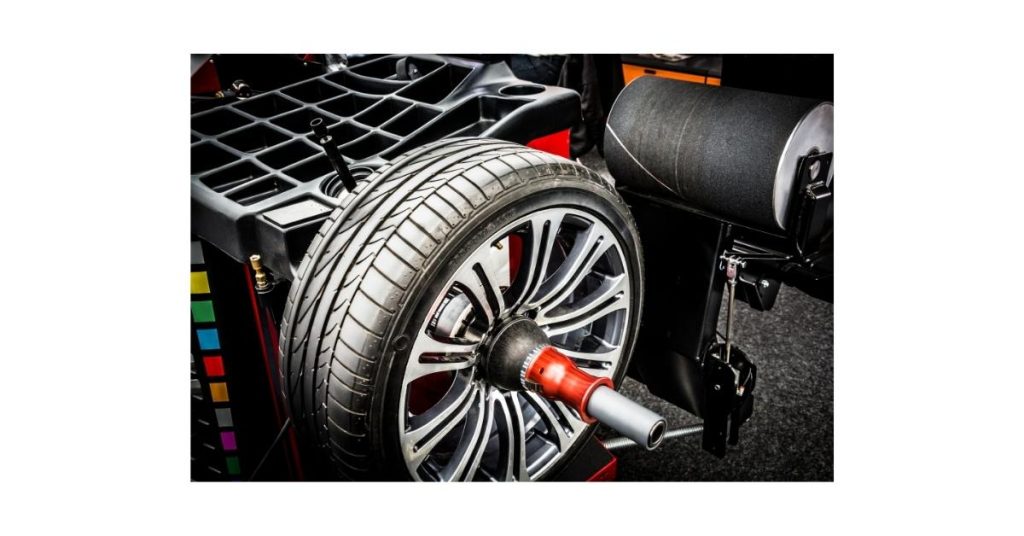
Each successful repair builds confidence and skill. Starting with simple exhaust fixes teaches fundamentals such as system layout and component interaction. Over time, owners develop better diagnostic abilities and decision-making confidence.
Educational resources support this learning process. Detailed guides focused on DIY Fix techniques help owners expand capabilities safely and effectively. Knowledge transforms uncertainty into informed action.
Cost Savings and Practical Benefits of DIY Exhaust Repairs
One of the biggest advantages of DIY exhaust work is cost reduction. Labor charges often exceed the cost of parts for minor repairs. Handling simple fixes at home keeps maintenance budgets under control.
Beyond savings, DIY repairs provide immediate resolution without scheduling delays. This convenience is valuable when dealing with minor but annoying issues such as rattles or leaks. Practical benefits make DIY fixes appealing for hands-on owners.
Building Confidence Through Responsible DIY Maintenance
DIY exhaust repairs encourage proactive vehicle care. Understanding system behavior fosters early problem detection and timely action. Confidence grows as owners learn which repairs are safe and effective at home.
For continued learning, step-by-step explanations, and practical advice centered on DIY Fix approaches, trusted resources provide ongoing guidance. Responsible DIY maintenance ultimately enhances reliability, saves money, and strengthens the connection between owner and vehicle.