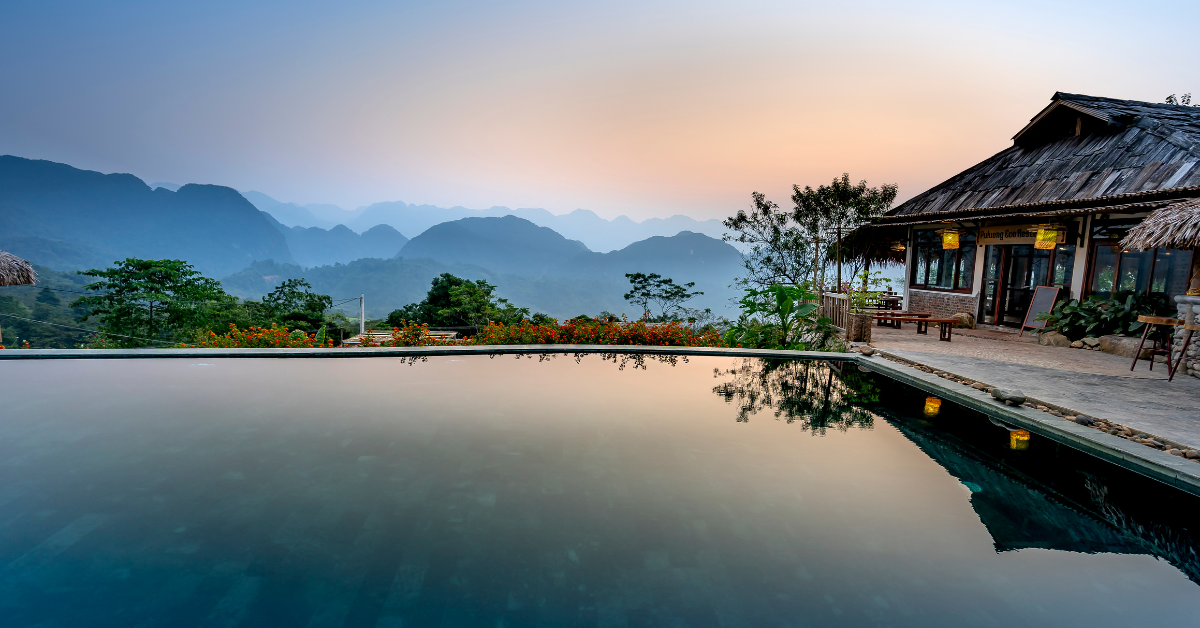
Backyards across New Zealand are being reimagined, not just as gardens but as personal sanctuaries for relaxation, entertainment, and health. At the heart of this transformation is the rise of the plunge pool NZ homeowners are choosing to enhance lifestyle without sacrificing space. Compact, stylish, and incredibly functional, plunge pools are reshaping the way Kiwis think about swimming pools.
This guide explores everything you need to know — from what a plunge pool is, to design ideas, benefits, installation considerations, and long-term value. Whether you live in Auckland, Wellington, Christchurch, or a smaller town, a plunge pool can transform even the most modest outdoor area into a year-round retreat.
What Exactly Is a Plunge Pool?
A plunge pool is a small, deep pool designed primarily for relaxation, hydrotherapy, and cooling off, rather than for full-length swimming. Typically ranging between 2–6 metres in length and 1.2–1.6 metres in depth, they fit seamlessly into smaller spaces where a traditional pool may not be practical.
Unlike larger swimming pools, a plunge pool focuses on providing a calm, cooling soak rather than laps. Many designs incorporate spa-style seating, jets, and heating systems, making them ideal for use in all seasons.
Why Plunge Pools Are Gaining Popularity in NZ
1. Compact living and urban design
As land sizes shrink, particularly in cities like Auckland, Hamilton, and Tauranga, the luxury of a large in-ground pool is out of reach for many. A plunge pool offers the perfect compromise: the benefits of pool ownership without demanding half the yard.
2. Cost-effective luxury
Compared to large pools, plunge pools are significantly more affordable to install and maintain. They use less water, fewer chemicals, and smaller pumps, making them easier on the wallet while still delivering the same sense of indulgence.
3. All-season usability
With the option of heating systems, plunge pools double as spa-like retreats in winter and refreshing escapes in summer. Homeowners enjoy year-round use, turning their backyards into true four-season spaces.
4. Low maintenance lifestyle
Kiwis value outdoor living but don’t want to spend weekends scrubbing tiles or balancing chemicals. The smaller water volume and smooth fibreglass shells of many plunge pools mean less upkeep, freeing up more time to actually enjoy the pool.
5. Wellness at home
Plunge pools aren’t just recreational; they’re therapeutic. Cold plunges are increasingly popular among athletes, wellness enthusiasts, and anyone looking to boost circulation, reduce muscle soreness, and refresh the body after workouts.
Types of Plunge Pools Available in New Zealand
When selecting a plunge pool, the type and material matter as much as the size. Here are the most common options:
- Fibreglass Plunge Pools – Pre-moulded, durable, and quick to install. Their smooth finish resists algae and makes cleaning simple.
- Concrete Plunge Pools – Fully customisable in shape and finish but require longer installation time and higher costs.
- Above-Ground Plunge Pools – Ideal for sloped sites or where excavation isn’t possible. These can be decked around for a seamless look.
- Spa-Integrated Plunge Pools – Combines plunge depth with spa jets and heating, giving the best of both worlds.
Installation Process: Step by Step
Adding a plunge pool to your property involves careful planning, but the process is straightforward with an experienced installer.
- Site Assessment – Evaluate soil conditions, access for equipment, and council requirements.
- Design & Selection – Choose the plunge pool model, size, and features such as steps, benches, or jets.
- Excavation – A compact space is dug to fit the fibreglass shell or concrete form.
- Base Preparation – Sand or stabilised fill ensures a level and supportive base.
- Pool Placement – The shell is craned in and carefully positioned.
- Backfilling & Plumbing – Surrounding soil is reinforced and plumbing connected to pumps and filters.
- Finishing Touches – Coping, paving, decking, or landscaping are added to blend the pool into the backyard design.
- Fill & Balance – The pool is filled, water is balanced, and final checks are completed.

Timeframes vary, but fibreglass plunge pools are often swim-ready in weeks rather than months.
Design Ideas for Plunge Pools
Even small pools can make a big design statement. Here are popular ideas for NZ homeowners:
- Courtyard Feature Pool – Position a plunge pool near living areas for easy access and a striking view.
- Deck-Integrated Pool – Build decking flush with the pool edge for a seamless, resort-style finish.
- Garden Oasis – Surround with lush planting, water features, or stonework to create a private retreat.
- Minimalist Modern – Keep lines clean with monochrome paving, glass fencing, and LED lighting.
- Wellness Zone – Add hydrotherapy jets, heating, and an outdoor shower for a spa-inspired experience.
Cost Factors of a Plunge Pool in NZ
While more affordable than full-sized pools, plunge pools still vary in cost depending on design, size, and finish.
Typical cost breakdown:
- Fibreglass plunge pool shell: $25,000–$40,000
- Installation & site work: $10,000–$25,000
- Heating systems (optional): $3,000–$8,000
- Decking, paving & landscaping: $5,000–$20,000
Overall, most plunge pool projects in NZ fall within the $40,000–$70,000 range, depending on extras.
Benefits Beyond the Backyard
Plunge pools aren’t just about private luxury. They also offer broader lifestyle and property benefits:
- Property value uplift – Homes with well-designed pools often see higher buyer interest.
- Outdoor living focus – A plunge pool becomes the anchor for entertaining and family time.
- Eco-friendliness – Smaller pools mean lower water and energy use.
- Fitness & recovery – Excellent for hydrotherapy, aqua exercise, or post-workout recovery.
- Cooling retreat – During NZ’s increasingly hot summers, a plunge pool provides instant relief.
Maintenance Tips for Long-Term Enjoyment
Plunge pools require less work, but consistent care ensures they remain sparkling and healthy:
- Test and balance water weekly.
- Use a pool cover when not in use to reduce evaporation and debris.
- Run pumps and filters for recommended daily hours.
- Clean skimmer baskets and vacuum the floor regularly.
- Inspect pumps, heaters, and jets seasonally.
These small routines extend the life of your pool and preserve its fresh, inviting appearance.
Plunge Pools vs Other Pool Options
| Feature | Plunge Pool | Full-Size Pool | Spa/Hot Tub |
|---|---|---|---|
| Space Needed | Minimal | Large | Very small |
| Cost Range | Medium | High | Low–Medium |
| Installation Time | Weeks | Months | Days |
| Primary Use | Relaxation & cooling | Swimming & entertainment | Hydrotherapy |
| Maintenance | Low | Moderate–High | Low |
FAQs About Plunge Pools in NZ
1. Can a plunge pool be heated?
Yes, most plunge pools can be fitted with heat pumps or gas systems, making them usable in winter.
2. How deep are plunge pools?
Most range between 1.2m–1.6m, offering comfortable standing depth and safe relaxation zones.
3. Do they require council approval?
Yes, like any pool, plunge pools usually need consent depending on local regulations and fencing laws.
4. Are plunge pools suitable for children?
Yes, with appropriate supervision and safety barriers, they can be great for kids’ play and water confidence.
5. How long does installation take?
Fibreglass plunge pools can often be installed in 3–6 weeks, depending on site access and landscaping.
Final Thoughts
The plunge pool NZ homeowners are embracing is more than just a pool; it’s a lifestyle enhancer that blends compact luxury with practical design. It brings year-round wellness, social enjoyment, and property value to even the smallest outdoor spaces. Whether you dream of a serene courtyard retreat, a family play zone, or a personal wellness hub, a plunge pool can deliver it all without the cost or space demands of a traditional pool.
To explore modern designs and find the perfect option for your backyard, visit plunge pool NZ and discover how a small pool can make a big difference.