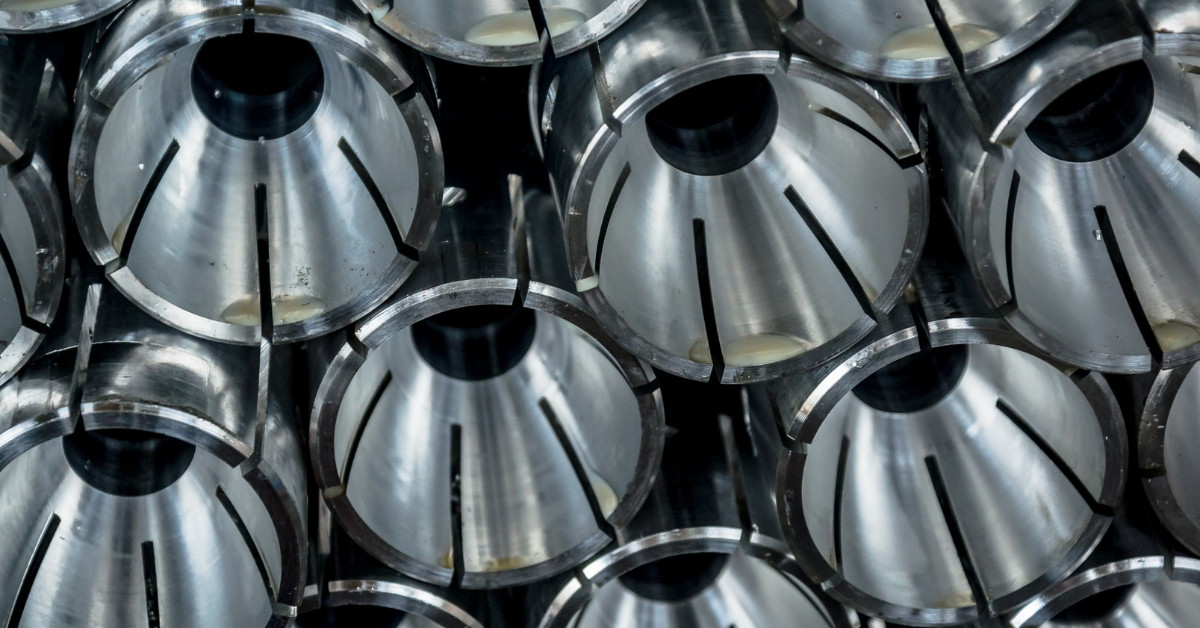
In the world of automotive and industrial fabrication, connection components are as important as the main system itself. Exhausts, turbochargers, intake systems, and industrial pipelines all rely on strong joints that can withstand pressure, heat, and vibration. One of the most reliable solutions for these connections is the stainless V band. Known for their durability, ease of use, and leak-proof design, stainless V bands have become an industry standard in performance engineering.
This in-depth guide explores the role of stainless V bands, their manufacturing, applications, advantages, challenges, and future developments. Whether you are an automotive enthusiast, industrial engineer, or fabricator, understanding stainless V bands will help you make better decisions for building and maintaining reliable systems.
What Are Stainless V Bands?
A V band is a type of clamp designed to join two circular tube or pipe ends. It uses a V-shaped retainer that encircles the flanges of the pipes and a T-bolt or latch mechanism to hold them together. Stainless V Bands are made from stainless steel, giving them exceptional resistance to corrosion, extreme temperatures, and mechanical stress.
Unlike traditional flanges or slip-fit joints, stainless V bands create a secure, uniform seal around the connection. They are especially valued in systems where gases or fluids are under high pressure and any leakage could result in performance loss or safety hazards.
Why Stainless Steel Is the Preferred Material
Stainless steel offers properties that make it ideal for V bands:
- Corrosion Resistance: Prevents rust in humid, chemical, or marine environments.
- Heat Tolerance: Maintains strength even at extreme exhaust temperatures.
- Durability: Withstands vibration, pressure, and mechanical stress.
- Aesthetic Value: Polished stainless surfaces provide a premium look, suitable for visible performance parts.
- Longevity: Outlasts mild steel or aluminum under demanding conditions.
Design and Function of Stainless V Bands
A stainless V band system consists of three main parts:
- Flanges: Welded to the ends of the pipes or components. They are designed with grooves or lips to lock securely when clamped.
- Clamp (V Retainer): The band with a V-shaped profile that grips the flanges.
- Fastener (T-Bolt or Quick Release): Tightens the band to hold the flanges together.
When tightened, the V profile forces the flanges into alignment, creating a leak-proof connection. This uniform pressure ensures better performance compared to traditional bolted flanges.
Manufacturing of Stainless V Bands
The manufacturing process involves several stages:
- Material Selection: High-quality stainless alloys such as 304 or 316 are chosen for their corrosion and heat resistance.
- Precision Machining: Flanges are CNC-machined to ensure perfect alignment and tolerance.
- Forming: The band itself is shaped into a V profile with exact specifications.
- Assembly: T-bolts, nuts, or quick-release mechanisms are integrated.
- Testing: Products are tested for pressure resistance, durability, and sealing performance.
Types of Stainless V Bands
Different designs are available to meet specific needs:
- Standard T-Bolt V Bands: Most common design, offering secure clamping with a nut and bolt.
- Quick-Release V Bands: Feature a latch for fast disassembly, useful in race cars and systems requiring frequent maintenance.
- Heavy-Duty V Bands: Designed for high-pressure or large-diameter pipes.
- Step Flange V Bands: Allow joining of pipes with slightly different diameters.
Applications of Stainless V Bands in Automotive Systems
Stainless V bands have become a staple in the automotive industry, especially in high-performance builds.
Exhaust Systems
V bands replace traditional flanges and gaskets in exhaust systems. They provide a tight seal, preventing leaks and reducing back pressure. Their quick-release design also makes maintenance easier.
Turbocharger Systems
Turbocharged engines require components that can handle extreme heat and boost pressure. Stainless V bands are used in turbo housings, downpipes, and intercooler connections because they maintain integrity under these harsh conditions.
Intercooler Piping
Although aluminum tubes are common in intercoolers, stainless V bands are often used as connection points for their strength and reliability.
Race Cars and Performance Vehicles
Quick disassembly is essential in motorsports. Stainless V bands allow mechanics to quickly remove or replace parts without compromising performance.
Industrial Applications of Stainless V Bands
Outside of automotive engineering, stainless V bands are widely used across industries:
- Aerospace: Connecting high-pressure ducts and exhausts.
- Marine: Salt-resistant properties make them ideal for ship exhausts and cooling systems.
- Food and Beverage: Leak-proof connections in stainless pipelines for sanitary operations.
- Pharmaceutical Industry: Secure, hygienic connections in chemical transport systems.
- Energy Sector: Used in boilers, turbines, and pipelines where pressure and heat are extreme.
Stainless V Bands vs. Traditional Connections
Comparing stainless V bands with other connection methods highlights why they are preferred.
| Feature | Stainless V Bands | Traditional Flanges | Slip-Fit Connections |
|---|---|---|---|
| Seal Quality | Excellent | Good | Fair |
| Ease of Assembly | Quick | Time-consuming | Easy but less secure |
| Durability | High | High | Low |
| Maintenance | Easy | Moderate | Difficult |
| Weight | Light | Heavy | Light |
Stainless V bands clearly outperform other methods when strength, reliability, and maintenance efficiency are priorities.
Advantages of Stainless V Bands
- Leak-Proof Seal: Ensures no performance loss in exhaust or turbo systems.
- Quick Installation and Removal: Saves time in fabrication and maintenance.
- Durable and Long-Lasting: Withstands harsh environments for years.
- Compact Design: Reduces weight compared to heavy flanges.
- Versatility: Works across automotive, marine, industrial, and aerospace applications.
Limitations of Stainless V Bands
Although highly effective, stainless V bands have some drawbacks:
- Higher Cost: More expensive than traditional flanges.
- Fabrication Requirement: Pipes must be welded with precision to accept flanges.
- Limited Availability in Large Sizes: Heavy-duty industrial applications may require custom production.

Choosing the Right Stainless V Band
When selecting stainless V bands, consider:
- Application Type: Exhaust, turbo, or industrial use.
- Size and Diameter: Ensure correct fit for tubing.
- Material Grade: 304 for general use, 316 for marine or chemical environments.
- Fastener Style: T-bolt for durability, quick release for convenience.
- Pressure and Temperature Ratings: Match with system demands.
Case Study: Turbo Exhaust Fabrication
A performance fabricator building a turbo exhaust system must connect downpipes and wastegates. Traditional flanges with gaskets often leak under boost pressure. Switching to stainless V bands eliminates leaks, reduces weight, and allows the system to be disassembled quickly during maintenance. The result is a more efficient, reliable build that performs consistently under stress.
Maintenance of Stainless V Bands
Proper maintenance ensures longevity and safety:
- Inspect clamps regularly for wear or distortion.
- Clean using stainless-safe solutions to prevent buildup.
- Re-torque fasteners after initial heat cycles.
- Replace worn bands or fasteners promptly.
Future of Stainless V Bands
As industries evolve toward higher efficiency and lighter materials, stainless V bands are also advancing. New designs are focusing on:
- Improved Alloys: Lighter stainless grades with equal or better strength.
- Advanced Quick-Release Systems: Faster operation without sacrificing strength.
- Integration in EV Systems: Used in electric vehicle cooling and thermal management systems.
Final Thoughts
Stainless V bands are far more than simple clamps. They are precision-engineered components that ensure performance, safety, and reliability across demanding industries. Their ability to provide leak-proof seals, withstand heat and pressure, and allow quick disassembly makes them essential in both automotive and industrial applications.
Although they come with a higher cost and require precise fabrication, the benefits far outweigh the drawbacks. For fabricators, engineers, and performance enthusiasts, stainless V bands remain the gold standard for secure and efficient connections.
By choosing the right stainless V bands for your project, you not only enhance performance but also ensure durability and reliability for years to come.