A Complete Guide to Dining Variety and Flavor Selection
Travelers often judge a hotel not only by its rooms and service but also by its culinary offerings, and the best western hotel menu is designed to meet diverse dining expectations. Whether guests are visiting for business, leisure, or family vacations, food plays a central role in shaping their overall stay. A well-curated menu reflects quality, hospitality, and attention to detail, ensuring visitors enjoy both comfort and flavor under one roof. Many travelers explore the full selection through the official best western hotel menu to understand available dishes, meal schedules, and specialty offerings before arrival.
The Importance of a Well-Designed Hotel Menu
A thoughtfully structured hotel menu does more than list dishes. It communicates the property’s culinary philosophy, ingredient standards, and service approach. Guests appreciate menus that balance local specialties with international favorites, allowing them to enjoy familiar meals while also discovering regional flavors. This variety ensures that diners with different tastes and dietary needs can find suitable options without difficulty.
Hotels that invest in menu development typically collaborate with experienced chefs and nutrition planners. Their goal is to craft selections that maintain consistent taste, visual appeal, and portion balance. This attention to detail enhances guest satisfaction and strengthens the hotel’s reputation for hospitality excellence.
Balancing Local and International Cuisine
One of the defining features of a strong hotel menu is its ability to combine local culinary traditions with globally recognized dishes. Visitors often want to experience authentic regional recipes, while also having access to classic international meals they already enjoy. Offering both ensures that guests can customize their dining experience based on mood or preference.
For instance, a hotel located in Cox’s Bazar might feature fresh seafood dishes alongside continental breakfasts or Asian specialties. This combination not only highlights local ingredients but also broadens the appeal to international travelers.
Breakfast Options That Start the Day Right
Breakfast is often considered the most important meal for travelers, especially those with busy itineraries. A comprehensive breakfast section within a hotel menu typically includes light, healthy choices as well as hearty selections. Guests may choose from fruits, cereals, baked goods, eggs, and traditional dishes, ensuring that every dietary preference is accommodated.
Hotels known for exceptional breakfast service often emphasize freshness and presentation. Ingredients are prepared daily, and dishes are arranged attractively to enhance appetite and satisfaction. Such details create a positive first impression that sets the tone for the rest of the day.
Popular Morning Selections
Common breakfast favorites in premium hotels often include:
- Fresh fruit platters and juices
- Omelets made to order
- Toast, pastries, and spreads
- Local breakfast specialties
- Coffee and specialty teas
These options allow guests to tailor their meals according to taste and nutritional needs, making breakfast both enjoyable and energizing.
Lunch Menus Designed for Convenience and Flavor
Midday dining requires a balance between taste and efficiency. Travelers exploring nearby attractions or attending meetings often prefer meals that are satisfying yet quick to serve. A well-organized lunch section typically includes soups, salads, sandwiches, and light main courses that can be prepared promptly without sacrificing quality.
Hotels that prioritize guest convenience ensure that their lunch menu includes both light and substantial dishes. This flexibility allows diners to choose according to their schedule and appetite. Clear descriptions and organized categories make it easier for guests to decide quickly, enhancing the overall dining experience.
Healthy Choices for Daytime Dining
Modern travelers increasingly look for nutritious options that support their lifestyle. Hotels respond by including low-oil dishes, vegetarian selections, and balanced meals with proteins, vegetables, and grains. Providing such choices demonstrates the establishment’s commitment to guest well-being as well as culinary diversity.
Dinner Selections and Signature Dishes
Dinner is often the highlight of a hotel’s culinary program. Guests expect a refined dining experience that combines taste, presentation, and ambiance. A premium dinner menu usually features signature dishes crafted by skilled chefs, showcasing both creativity and technical expertise.
Signature dishes often become memorable elements of a guest’s stay. These meals reflect the chef’s personal style and the hotel’s culinary identity. Carefully selected spices, sauces, and cooking methods ensure that each dish stands out while maintaining consistent quality standards.
Travelers interested in exploring detailed options frequently review the best western hotel menu in advance to plan their dining experience and identify must-try specialties.
Presentation and Plating Techniques
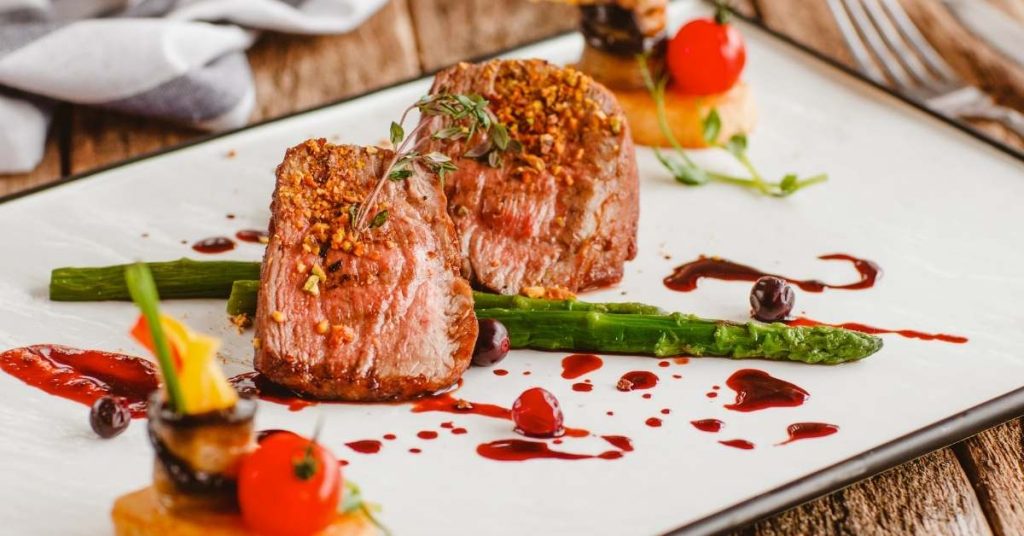
Visual appeal is a critical part of fine dining. Professional chefs focus on plating techniques that highlight colors, textures, and arrangement. Even simple dishes can appear sophisticated when presented thoughtfully. This attention to aesthetics enhances the dining atmosphere and elevates the guest’s perception of quality.
Hotels that prioritize presentation understand that dining is both a culinary and visual experience. Guests often associate beautifully plated meals with professionalism and high standards.
Beverage and Refreshment Variety
An extensive beverage section complements the food menu and completes the dining experience. Guests may choose from fresh juices, mocktails, specialty coffees, teas, and other refreshments suited to different times of day. Offering a diverse beverage selection ensures that diners can find the perfect pairing for their meals.
Seasonal drinks are another appealing feature. During warmer months, chilled beverages and fruit-based drinks become popular, while cooler seasons may highlight hot beverages and spiced teas. These seasonal adjustments show attentiveness to guest comfort and climate conditions.
Pairing Drinks with Meals
Proper beverage pairing enhances flavor and overall enjoyment. For example, light drinks often complement seafood or salads, while richer beverages pair well with hearty dishes. Hotels that provide pairing suggestions help guests make informed choices, improving satisfaction and creating a more immersive dining experience.
Catering to Special Dietary Needs
Modern hospitality standards emphasize inclusivity, and this extends to dining services. Hotels increasingly design menus that accommodate dietary restrictions such as vegetarian, vegan, gluten-free, or low-spice preferences. Providing these options ensures that all guests can dine comfortably without compromising their health or personal choices.
Clear labeling is an important part of this process. When menus identify ingredients and preparation methods, guests can make informed decisions quickly. Transparency builds trust and demonstrates professionalism, which enhances the hotel’s reputation.
The Role of Culinary Expertise
Behind every successful hotel menu is a team of skilled culinary professionals. Chefs, sous chefs, and kitchen staff collaborate to maintain consistent quality across all dishes. Their expertise ensures that recipes are executed precisely and that flavors remain balanced.
Training and innovation also play significant roles. Experienced chefs continuously refine their techniques, experiment with new ingredients, and update menus to reflect changing trends. This dedication keeps the dining experience fresh and appealing for returning guests.
Influence of Hospitality Brands
Global hospitality organizations such as Best Western emphasize standardized quality across their properties. Their culinary guidelines often focus on consistency, hygiene, and guest satisfaction. This structured approach helps maintain reliability while still allowing individual hotels to incorporate local flavors and specialties.
Ambiance and Dining Environment
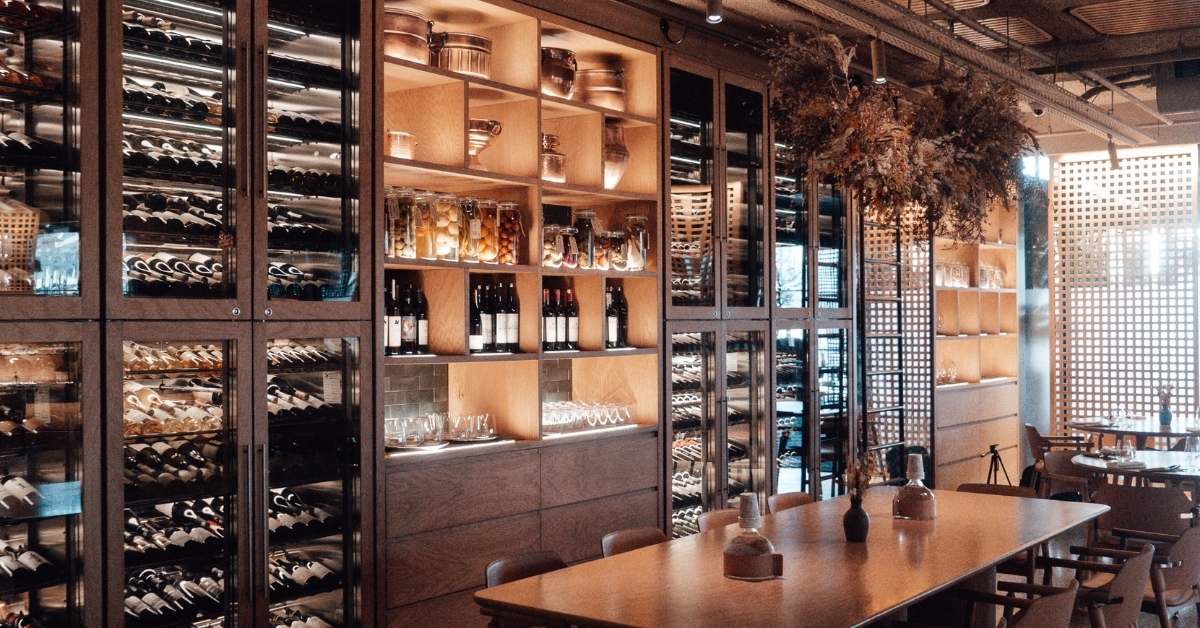
The atmosphere of a restaurant contributes significantly to how guests perceive their meals. Lighting, seating arrangement, décor, and background music all influence comfort and mood. Hotels that invest in well-designed dining spaces create an inviting environment where guests can relax and enjoy their food.
Spacious layouts prevent overcrowding, while comfortable seating encourages longer, more enjoyable meals. Cleanliness and organization further enhance the dining experience, reassuring guests that hygiene and professionalism are priorities.
Indoor and Outdoor Dining Options
Some hotels offer both indoor and outdoor dining areas, giving guests flexibility based on weather and personal preference. Outdoor seating can provide scenic views and fresh air, while indoor spaces offer climate control and privacy. This versatility allows guests to tailor their dining environment to suit their mood.
Menu Organization and Accessibility
A well-structured menu is easy to read and navigate. Clear headings, logical categories, and concise descriptions help guests find their desired dishes quickly. Hotels that design user-friendly menus demonstrate consideration for guest convenience.
Digital menus have become increasingly popular, allowing visitors to browse options on their devices. This format can include images, ingredient details, and customization options, making the selection process even more efficient. Digital access also enables hotels to update menu items instantly when changes occur.
Seasonal and Chef’s Special Features
Rotating menu items keep dining experiences exciting and encourage repeat visits. Seasonal dishes often showcase ingredients at their peak freshness, resulting in better flavor and nutritional value. Chef’s specials highlight creativity and allow culinary teams to experiment with new combinations.
Guests often appreciate these rotating features because they provide opportunities to try something unique each time they dine. Seasonal updates also reflect the hotel’s commitment to quality and innovation.
Value and Pricing Transparency
Price clarity is essential when evaluating dining options. Guests prefer menus that display costs clearly, allowing them to plan their meals without surprises. Transparent pricing demonstrates honesty and professionalism, which strengthens trust between the hotel and its guests.
Value is determined not only by price but also by portion size, ingredient quality, and service standards. A slightly higher-priced dish may still represent excellent value if it delivers superior taste, presentation, and satisfaction. Hotels that focus on value rather than simply cost often earn stronger guest loyalty.
Enhancing Guest Experience Through Dining
Dining is more than nourishment; it is an integral part of the travel experience. A thoughtfully curated hotel menu contributes to relaxation, enjoyment, and memorable moments. Whether guests are sharing meals with family, hosting business lunches, or enjoying quiet dinners, the quality of food and service shapes their perception of the hotel.
Hotels that excel in culinary service understand that every detail matters, from ingredient selection to final presentation. By maintaining high standards and offering diverse choices, they ensure that guests leave with positive impressions and a desire to return.