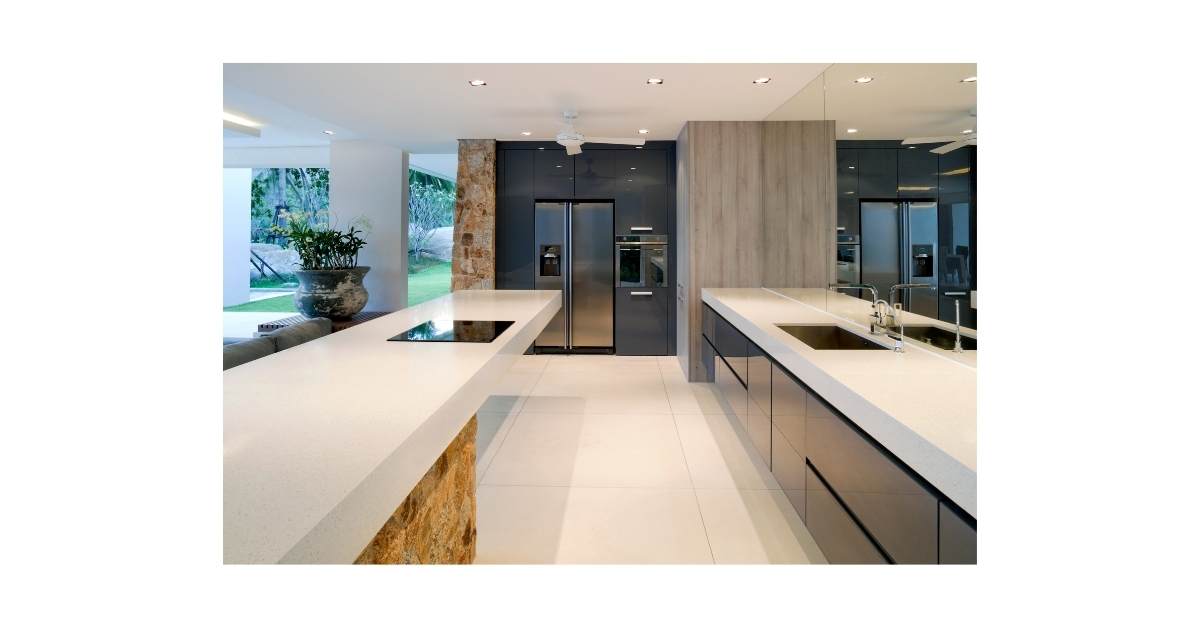
Kitchen Cabinets: How to Select the Right Material for a Strong and Stylish Kitchen
Kitchen cabinets are the backbone of any functional and visually appealing kitchen. They influence storage efficiency, daily usability, maintenance effort, and the overall design language of the space. While colors and layouts often get the most attention, the material used for kitchen cabinets plays a far more critical role in determining how long they last and how well they perform under daily stress. Heat, moisture, weight, and frequent use all test the quality of cabinet materials over time.
Modern kitchens demand cabinets that can withstand years of opening and closing, exposure to steam, and occasional spills without warping or losing strength. Choosing the right cabinet material is not just a design decision, but a long-term investment decision that affects cost, durability, and resale value of the home.
Why Material Selection Matters for Kitchen Cabinets
Kitchen cabinets are exposed to harsher conditions than furniture in most other rooms. Constant humidity from cooking, temperature fluctuations, and grease in the air can damage weak materials quickly. That is why material selection directly impacts the lifespan and structural integrity of cabinets.
A well-chosen cabinet material resists swelling, cracking, and delamination. It also holds screws and hinges firmly, which is essential for doors and drawers that are used daily. Poor material choices may look fine initially but often lead to sagging shelves, loose hardware, and surface damage within a few years.
Material also affects how cabinets can be customized. Some materials accept paint and finishes better, while others are limited in styling options. Understanding these differences helps align practical needs with design goals.
Solid Wood Cabinets and Their Characteristics
Solid wood has long been associated with premium kitchen cabinets. It offers natural strength, timeless appearance, and the ability to be refinished multiple times. Hardwood species are especially valued for their durability and visual depth.
However, solid wood reacts to humidity changes. In kitchens with poor ventilation, wood may expand or contract, leading to small cracks or alignment issues over time. This does not mean wood is a poor choice, but it does require proper sealing and climate control.
Solid wood cabinets are typically heavier and more expensive than engineered alternatives. They are best suited for homeowners who prioritize longevity and classic aesthetics over initial cost savings.
Engineered Wood Materials Used in Kitchen Cabinets
Many modern kitchen cabinets use engineered wood products designed to reduce cost while maintaining performance. These materials are manufactured for consistency and stability, making them less prone to natural defects.
Plywood is widely considered one of the best engineered materials for cabinets because of its layered construction and strength. It resists warping better than solid wood and holds fasteners securely. Medium-density fiberboard offers a smooth surface ideal for painted finishes but may struggle with prolonged moisture exposure.
Particleboard is often used in budget cabinets but has lower durability. While it can work in low-moisture environments, it is generally less suitable for kitchens where humidity is common.
Moisture Resistance and Kitchen Cabinet Performance
Moisture is one of the biggest enemies of kitchen cabinets. Steam from cooking and washing can penetrate weak materials, causing swelling or surface breakdown. That is why moisture resistance is a top priority when evaluating cabinet materials.
Materials like plywood with proper sealing perform well under humid conditions. Cabinets installed near sinks, dishwashers, and cooking ranges benefit greatly from moisture-resistant cores and finishes.
Ignoring moisture resistance often leads to early cabinet failure. Once swelling or delamination starts, repairs are difficult and replacement becomes the only option. Selecting the right material from the beginning prevents these costly issues.
Weight-Bearing Capacity and Daily Use
Kitchen cabinets must support significant weight, from dishes and cookware to small appliances. The material used determines how much load cabinets can safely carry over time without sagging.
Stronger materials maintain shelf integrity and prevent bowing. This is especially important for base cabinets that hold heavy items. Wall cabinets also rely on material strength to remain securely mounted.
Choosing cabinets with strong internal construction ensures long-term reliability. It also improves safety, reducing the risk of shelves collapsing or cabinets pulling away from walls.
Style Flexibility Based on Cabinet Material
Different materials offer different levels of design flexibility. Solid wood showcases natural grain patterns and works well for traditional and transitional kitchens. Engineered materials are more adaptable for modern and minimalist designs.
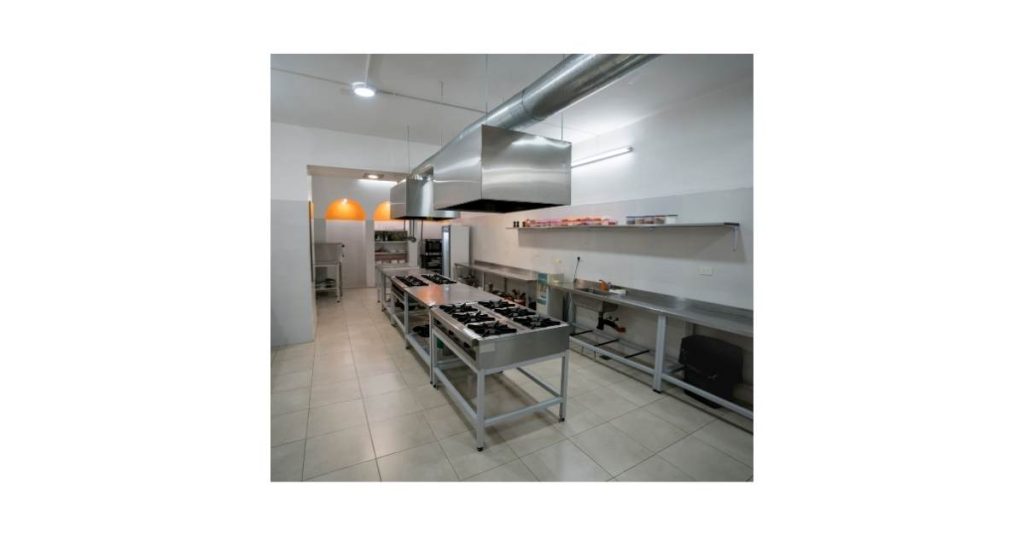
Painted finishes typically perform better on smooth, uniform surfaces. For homeowners exploring modern aesthetics, understanding which materials accept paint evenly is essential. Veneered options can also provide the look of wood without the cost of solid boards.
Design flexibility becomes especially important during renovations, as it allows cabinets to adapt to changing trends without full replacement.
Cost Considerations and Long-Term Value
Budget plays a major role in material selection for kitchen cabinets. While solid wood has a higher upfront cost, its longevity can justify the investment over time. Engineered materials offer a balance between affordability and performance when chosen wisely.
Long-term value should always be considered alongside initial price. Cabinets that need replacement after a few years often cost more in the long run than higher-quality options installed once.
Evaluating material durability, maintenance needs, and expected lifespan helps determine true value rather than focusing solely on purchase price.
Best Materials to Use for Kitchen Cabinets
Understanding which materials perform best under kitchen conditions helps homeowners make confident decisions. A detailed explanation of material performance, advantages, and limitations can be found in this comprehensive guide on Kitchen Cabinets, which breaks down real-world usability rather than just theoretical benefits.
Such resources help clarify why certain materials consistently outperform others in kitchens. They also explain how environmental factors and usage patterns influence material suitability.
Relying on expert-backed information reduces the risk of costly mistakes and ensures cabinets meet both functional and aesthetic expectations.
Maintenance Requirements Based on Material Type
Maintenance needs vary widely depending on cabinet material. Solid wood may require periodic refinishing or resealing to maintain appearance and protect against moisture. Engineered materials typically need less intensive care but still require regular cleaning.
Cabinets with poor moisture resistance demand extra caution around spills and steam. Knowing maintenance requirements in advance allows homeowners to choose materials that match their lifestyle and cleaning habits.
Low-maintenance cabinets are especially valuable in busy households where daily upkeep time is limited.
Environmental and Sustainability Factors
Sustainability is becoming an important consideration in kitchen cabinet selection. Some materials are sourced responsibly and manufactured with lower environmental impact. Engineered products often use wood waste efficiently, reducing overall resource consumption.
Choosing durable materials also supports sustainability by reducing the need for frequent replacements. Longer-lasting cabinets mean fewer materials consumed over time.
Environmentally conscious homeowners should consider both sourcing and lifespan when evaluating cabinet materials.
Making the Right Decision for Your Kitchen
Selecting the right material for kitchen cabinets requires balancing durability, moisture resistance, style preferences, and budget. No single material is perfect for every situation, but informed choices lead to better outcomes.
A clear, in-depth reference like this expert guide on Kitchen Cabinets provides valuable clarity on how different materials perform in real kitchens. It helps homeowners align expectations with practical realities.
When material choice is guided by performance rather than trends alone, kitchen cabinets become a reliable, long-term asset that enhances both daily life and home value.